I remember listening to The Raveonettes’ Pretty In Black in the back of a taxi from San Francisco airport in the summer of 2004. I had a portable CD player that skipped every time we hit a pothole. There were a lot of potholes. I was seventeen and surprised that a country as rich as America had roads like this. The billboards advertised email servers and enterprise software solutions. I didn’t know what enterprise software was.
My dad had recently sold his business and we were flying to the Cook Islands for a family holiday—San Francisco to LA, LA to Tahiti, then finally to Rarotonga after two days of travel. I listened to that album the entire way. The opening track, “The Heavens,” starts with vinyl crackle and a simple, pedal-steel guitar. It sounds like sunset in Hawaii.
Pretty In Black didn’t get great reviews. Critics saw it as a compromise after two albums written entirely in one key—B-flat minor for Whip It On, B-flat major for Chain Gang of Love. The new record had a bigger, more polished sound. The band had abandoned their self-imposed limitations. They’d brought in Mo Tucker from the Velvet Underground and Ronnie Spector from The Ronettes, which reviewers found too obvious, too on the nose. Like if Jonathan Richman actually played with the Velvet Underground.
The Raveonettes always wore their influences openly. In 2004, you weren’t supposed to earnestly love New York City and the Beat Poets, especially if you were a Danish boy-girl duo. Perhaps they weren’t mysterious enough. Perhaps their songs weren’t original enough. But I loved them anyway. Of all the music from that 2004-2008 period—still, let’s face it, the only type of music I listen to—they’re the band I still return to most often.
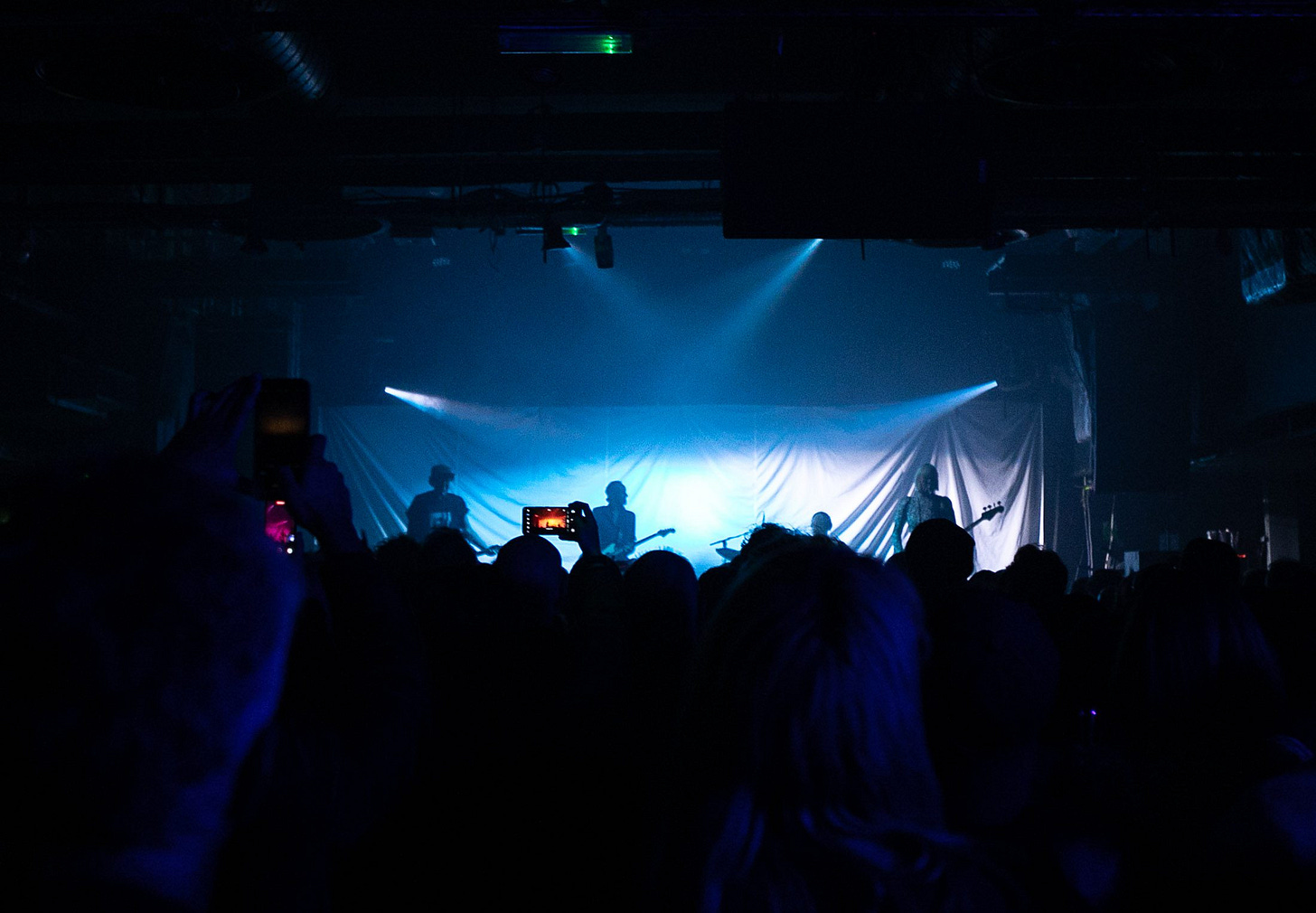
On Monday night, The Raveonettes played the O2 Academy in Islington. A 21-year anniversary show for Pretty In Black. I stood five rows from the stage and let the sound wash over me. It was loud enough that other thoughts were difficult, which felt appropriate. The songs sounded exactly as I remembered them—feedback and reverb and Sune Rose Wagner’s vocals cutting through everything.
I haven’t connected with their newer material the same way. But for ninety minutes I was back in that taxi, back on that first trip to America.
The last time I was there, in 2023, the road from the airport still had potholes. The billboards were still there, just updated to sell AI solutions and machine learning platforms. I still didn’t understand what half of them were selling. The Raveonettes had just released a new EP. I didn’t listen to it.
Monday night was a portal. I could reach back through time, to that memory of sitting in the back of a taxicab, juddering to each pothole, and remember what it was like to feel the possibility of the future. The music was loud enough to make everything else irrelevant.